Research Portfolio
Projects
Ongoing and completed research projects across all thematic areas, translating science into field-ready solutions.
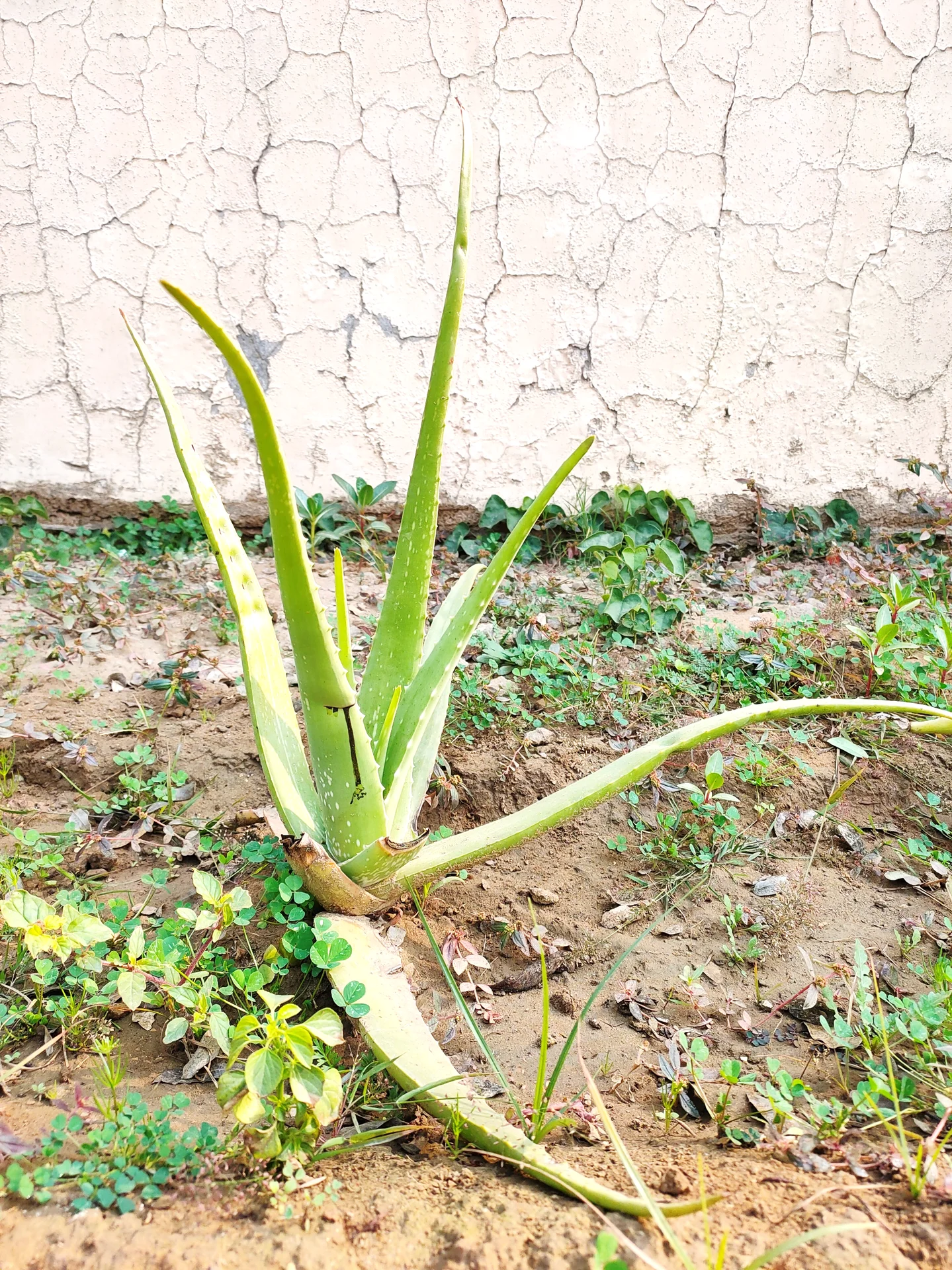
Novel Fruit Processing & Biosensor Platforms for Post-Harvest Quality & Shelf-Life Extension
Development of innovative non-thermal processing modalities coupled with impedance-based biosensor matrices to monitor and extend post-harvest longevity of perishable fruit varieties. Integrates real-time ethylene gas detection, biodegradable active antimicrobial coatings, and non-destructive optical quality indexing.
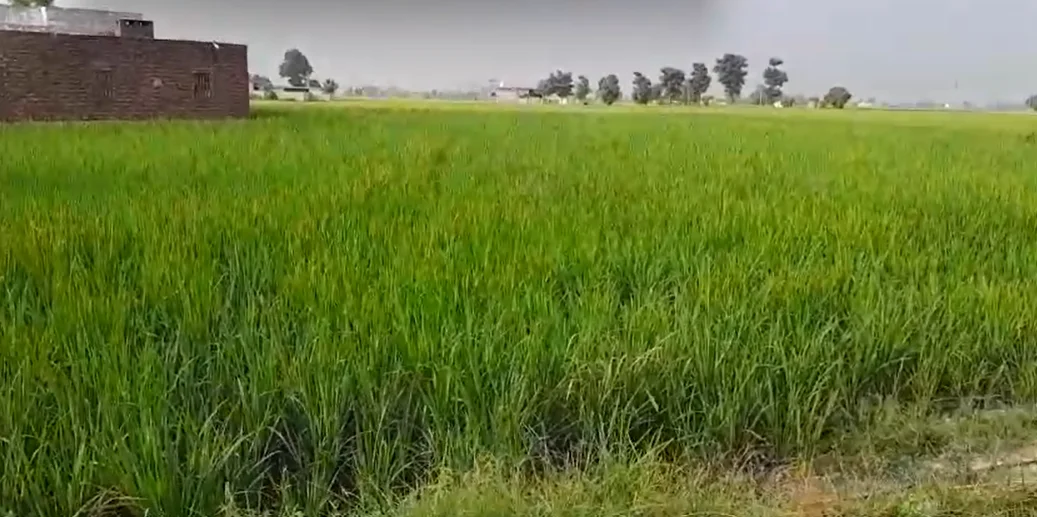
Multi - functional Biopolymer Composite Formulation & Sensing methods for Enhanced Seed Preservation and Germination
Development of bioactive biopolymer composite seed coatings engineered with biodegradable polysaccharides and micro-encapsulated antimicrobial agents. Coupled with impedance spectroscopy sensors, this formulation protects seeds against soil-borne phytopathogens during storage and enhances germination rates under erratic climatic stress conditions.
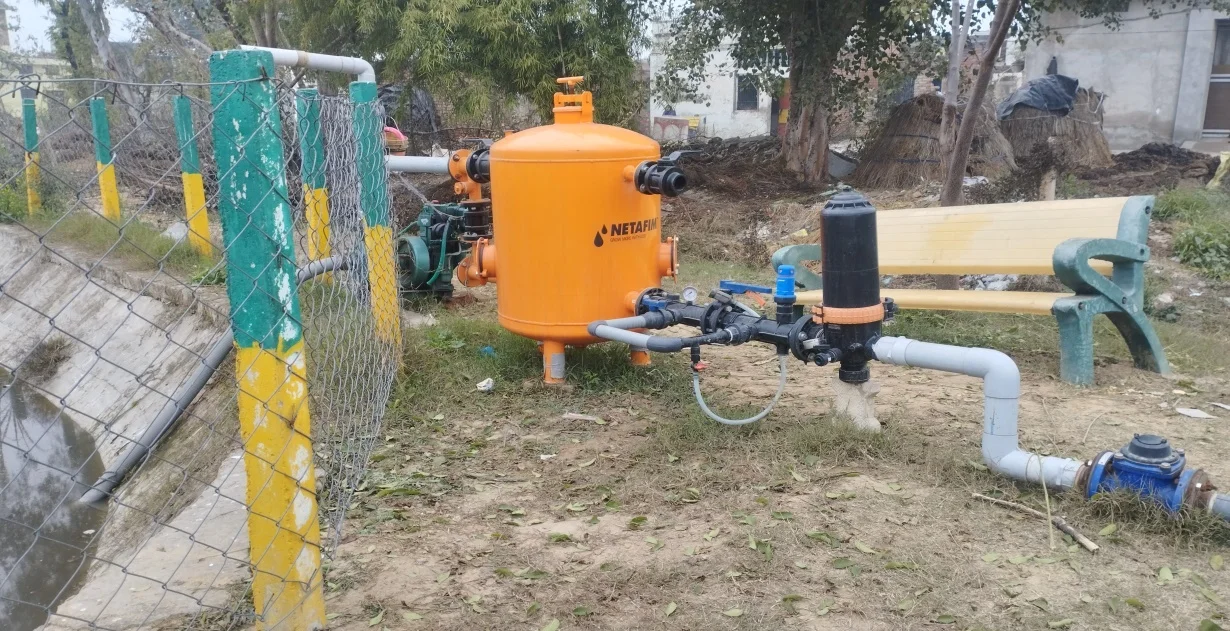
Reducing Water Demand in Crops Cultivation, Punjab, India
A human-centered design process, in the field of a tool that is usable by extension agents with limited technical literacy and will overcome social, cultural, economic (cost), and behavioral limitations to the applicability, at scale. Integrating data on farmers (crop assessments, decisions, practices, investments, and sales) and crops (biophysical data gathered from wireless sensors and remote sensing techniques).To date, both types of data remain disparate, severely limiting inter-disciplinary research. The major objectives of the project are: * To establish a pilot project in north India (Punjab) as an efficient and sustainable agriculture model with the help of modern engineering AI tools. * To collect season-wise soil and crop information through a manual survey of respective farmers of the field starting from the time of sowing to harvesting such as the amount of manure, pesticide, herbicide, water, yield, etc. * To use IoT-based intelligent sensors for generating useful data of various parameters of soil and crop to achieve high precision in village farming. * To use intelligent software tools that link remote sensing and spectral information of soil conditions and crop health and provide a suitable recommendation for the field without any physical intervention.
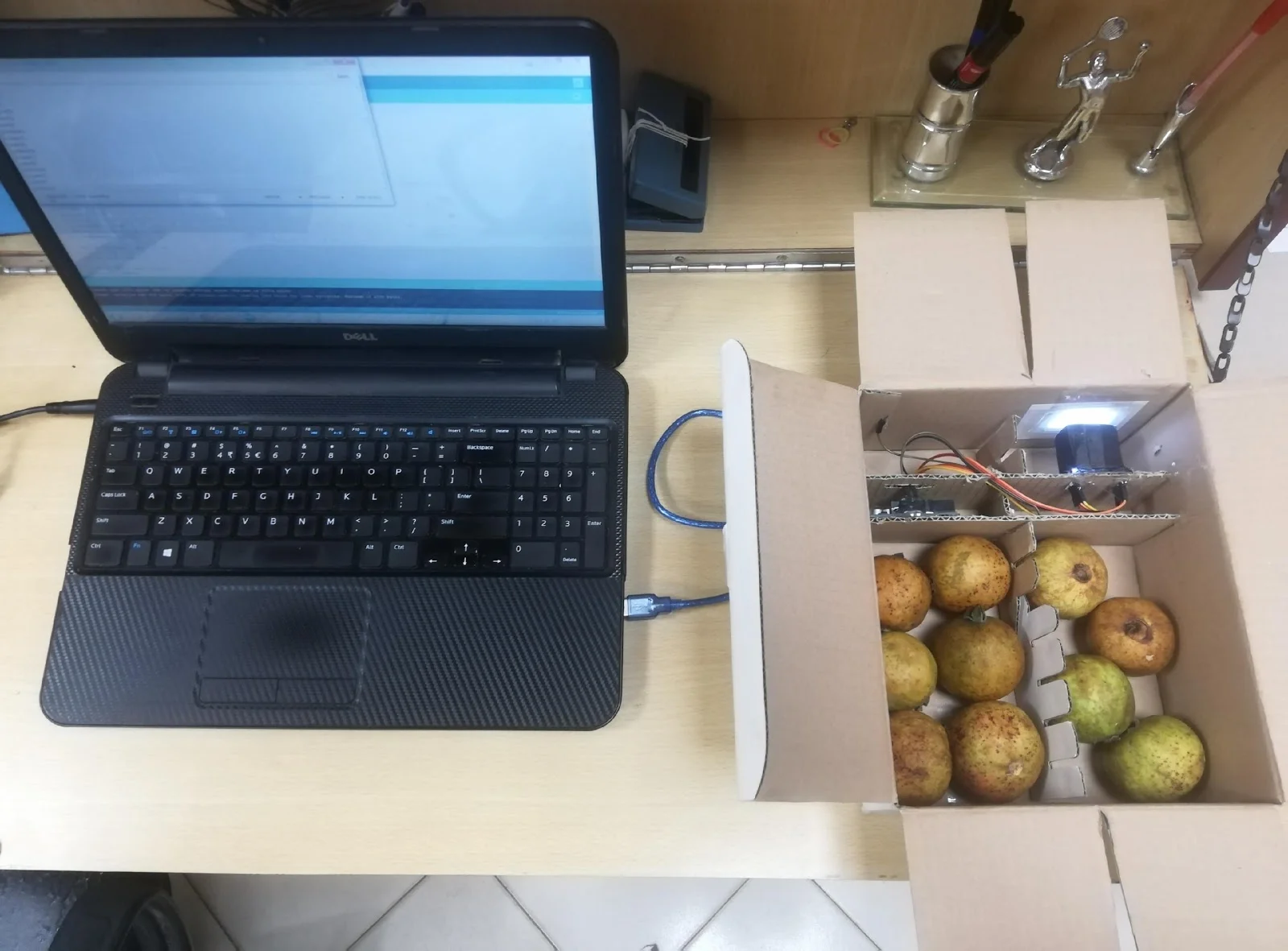
An intelligent Solar powered soilless farming system for the Uberization Agriculture
With rapid population growth and urbanization, the demand for sustainable and space-efficient food production is increasing. Soilless farming systems such as hydroponics, aeroponics, and vertical farming offer a viable solution by enabling crop cultivation in limited spaces and regions with poor soil quality.These systems provide key advantages including precise nutrient control, higher yields, reduced water usage, and consistent crop quality under controlled environmental conditions. However, challenges such as high initial costs, complex maintenance, and the need for continuous monitoring limit their widespread adoption.This project proposes the development of an IoT-based smart soilless farming system that integrates advanced sensors and automation to monitor and control critical parameters such as pH, nutrient concentration, temperature, humidity, light intensity, and CO₂ levels. Based on real-time data, actuators like pumps, fans, LED lighting, and foggers will automatically optimize growing conditions, improving efficiency and crop yield.Additionally, the system will be powered by solar energy, making it self-sustainable, eco-friendly, and suitable for areas with limited electricity access. By combining controlled environment agriculture with IoT and renewable energy, this project aims to create a smart, efficient, and sustainable farming solution for the future.
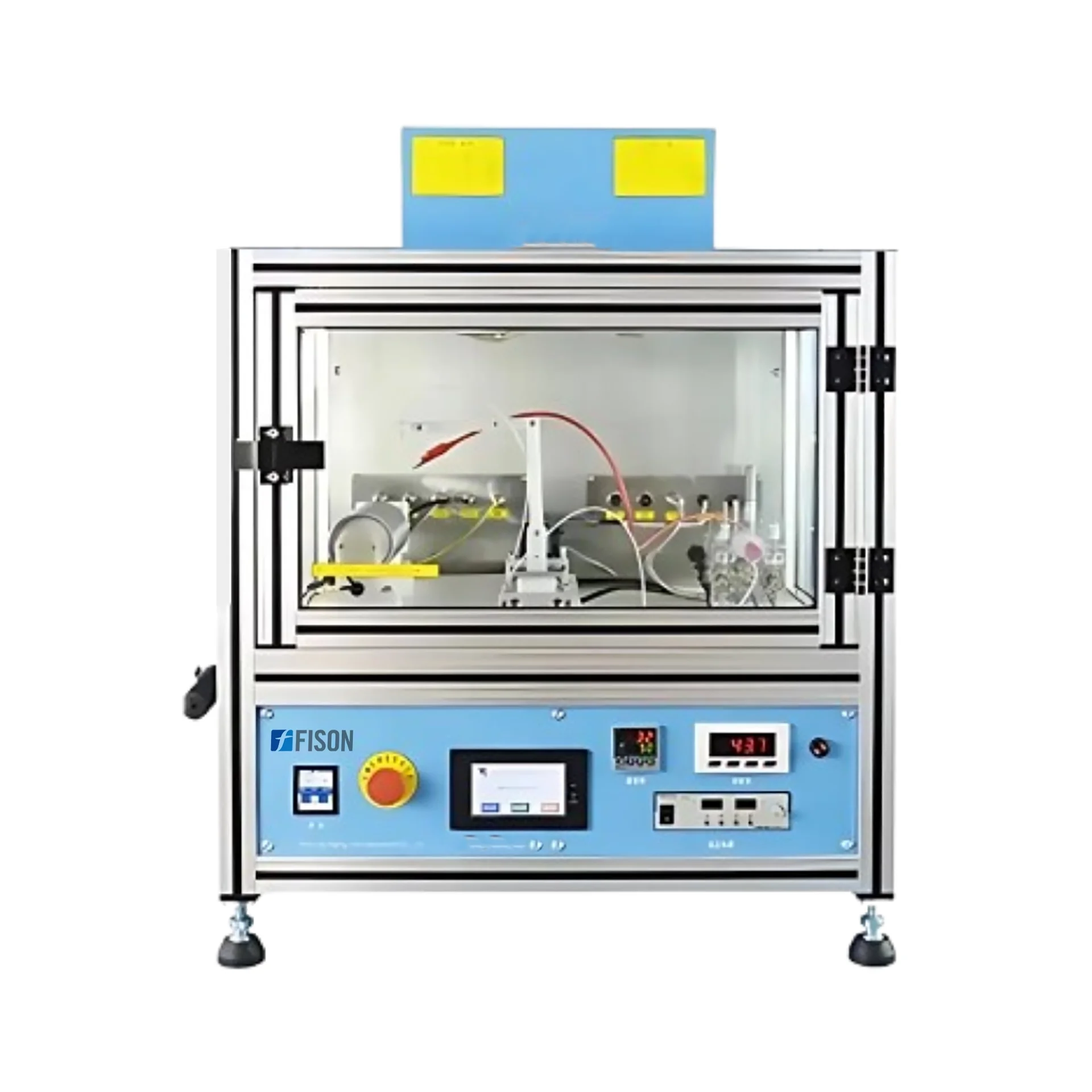
Development of peptide vaccines against the Bluetongue Virus
Bluetongue virus (BTV) is a globally important arthropod-borne pathogen responsible for substantial economic losses in the livestock sector. This ongoing research project is focused on the development of next-generation peptide-based vaccine candidates through a multidisciplinary approach that integrates computational vaccinology, structural biology, and experimental immunology. The study employs immunoinformatics to identify and prioritize conserved immunodominant B-cell and T-cell epitopes, followed by molecular docking and molecular dynamics simulations to investigate their structural stability, receptor interactions, and immunological potential. Promising epitope candidates are subsequently synthesized and evaluated through in vitro and in vivo studies to validate their immunogenic potential. Current investigations include the assessment of peptide-specific humoral immune responses through immunization studies in animal models, followed by serological characterization using immunoassays. The project seeks to establish correlations between computational predictions and experimentally observed immune responses, thereby providing a robust framework for the development of epitope-driven vaccine strategies against BTV. Beyond advancing vaccine research, the study addresses broader food security challenges by promoting livestock health and productivity, thereby supporting sustainable animal agriculture and the resilience of livestock-dependent farming systems. The project is being carried out in collaboration with CSIR–IMTECH, Chandigarh, and Tel Aviv University, Israel, and is supported by the TIET–TAU Center of Excellence for Food Security (T2CEFS).
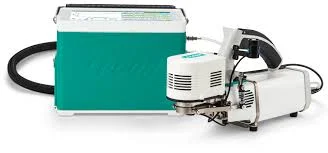
A Sonar Sensing System for Crop Yield Estimation
The Sonar Project envisages predictive crop yield analysis using a biologically inspired device developed by Prof. Yossi Yovel in Tel Aviv University. This device which works on the principle of a SONAR, will be mounted atop autonomous drones by the TIET team and flown above diverse crops grown in India. AI based data analytics will be used to finally build robust models of crop yield estimation for cereal crops, fruit crops and horticultural products. The TIET team led by Prof. Ravi Kumar is actively working to engage potential stakeholders and farmers for on field deployment of this framework. Sucessful implementation of this project is likely to serve as a milestone in ensuring food security for the global south in general and India in particular.
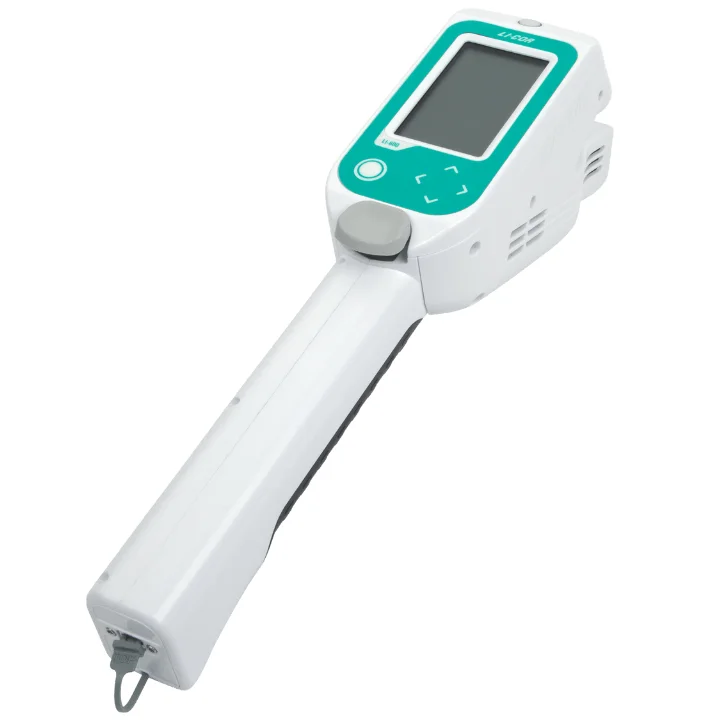
The Development of Deep Learning Algorithms for Wheat Crop Disease Assessment using Multispectral Imaging
This research pre-proposal, submitted under T2PCEFS by Dr. Gaganpreet Kaur, and Dr. Jaspal Kaur, from PAU aims to develop deep learning algorithms for early detection of yellow rust in wheat. Yellow rust if infested disease that can destroy 50% of Punjab's crop yield. Multispectral imaging (MSI) is central to the approach. By capturing reflectance across discrete bands beyond visible light, MSI detects pathogen-induced stress before symptoms appear to the naked eye. Research consistently identifies the red-edge (690–740 nm) and NIR (740–1000 nm) spectral bands as key indicators for distinguishing rust-infected plants from healthy ones, since the red edge band is where the first signs of stress show, letting growers catch disease sooner. Based on these spectral inputs vegetation indices are computed which are used for rapid insights into crop vigour and stress for timely management decisions. Use of Multispectral imaging enable affordable, farmland-scale monitoring without expensive hyperspectral hardware. The project outcomes shall support sustainable, chemical-reducing precision agriculture for scientists, extension workers, and farmers.
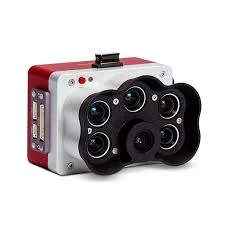
Use of ultrasound technologies for extending quality and shelf life of whole wheet-based products
This project focuses on the development of a sustainable and non-thermal preservation strategy for whole wheat using ultrasound technology. Whole wheat is highly valued for its nutritional benefits; however, its elevated lipid content makes it susceptible to quality deterioration during storage due to enzymatic activity, lipid oxidation, and microbial contamination. Conventional stabilization methods often involve thermal treatments that may adversely affect nutritional and sensory attributes.The project investigates the application of ultrasonication as an innovative approach to enhance the storage stability of whole wheat while preserving its nutritional integrity. Different ultrasound treatment conditions are being optimized to evaluate their effects on enzyme inactivation, microbial reduction, physicochemical properties, and overall grain quality. The study also examines the impact of ultrasound treatment on flour functionality and the quality of value-added wheat products.By integrating advanced processing technology with sustainable food preservation principles, the project aims to extend the shelf life of whole wheat, reduce post-harvest losses, and improve product quality. The outcomes are expected to support the development of safer, healthier, and more sustainable grain processing practices, benefiting both the food industry and consumers while contributing to national food security goals.
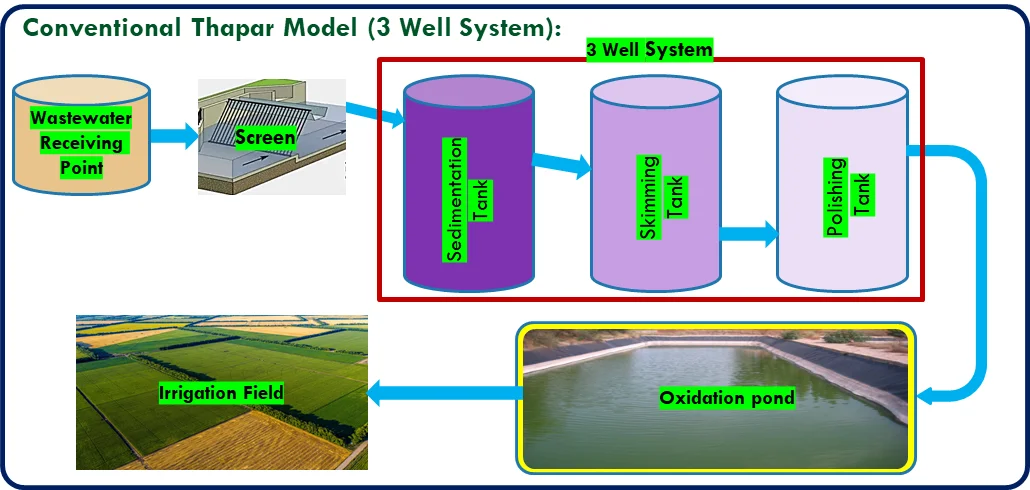
Enhanced Treatment of Domestic Wastewater Using Synergy of Microalgae and Bacteria without Energy Investment and Biofuel Production
The wastewater management project under the funding of TIET–TAU-PAU Centre of Excellence for Food Security (T2CEFS) is a collaborative initiative of Thapar Institute of Engineering and Technology (TIET), Patiala, Tel Aviv University (TAU), Israel, and Punjab Agricultural University (PAU), Ludhiana. The project aims to develop sustainable, low-cost, and energy-efficient wastewater treatment technologies that support water reuse in agriculture while contributing to food security. The study investigates an indigenous microalgae–bacterial consortium as a low-energy biological treatment approach for domestic wastewater remediation, where microalgae facilitate nutrient uptake and oxygen generation through photosynthesis. At the same time, associated bacteria contribute to organic matter degradation and nutrient transformation while producing valuable biomass that can be utilised for bioenergy and other bioproducts. The project has also contributed to the development and evaluation of decentralized wastewater treatment systems for rural communities, including the Thapar Model (3-Well System). This nature-based treatment approach utilizes sequential sedimentation, biological treatment, and pond-based polishing to improve wastewater quality before reuse. Extensive field studies have been conducted across villages in Punjab to assess treatment efficiency, irrigation suitability, and operational sustainability. The treated water is evaluated for physicochemical and microbiological parameters, and Water Quality Indices are developed to support safe agricultural reuse. Through pilot-scale and field-scale demonstrations, the project seeks to promote circular water management by transforming wastewater from an environmental burden into a valuable resource. The outcomes contribute directly to improved rural sanitation, conservation of freshwater resources, enhanced agricultural productivity, and climate-resilient food systems. The initiative aligns with the United Nations Sustainable Development Goals (SDGs), particularly those related to clean water and sanitation, sustainable agriculture, climate action, and responsible resource management